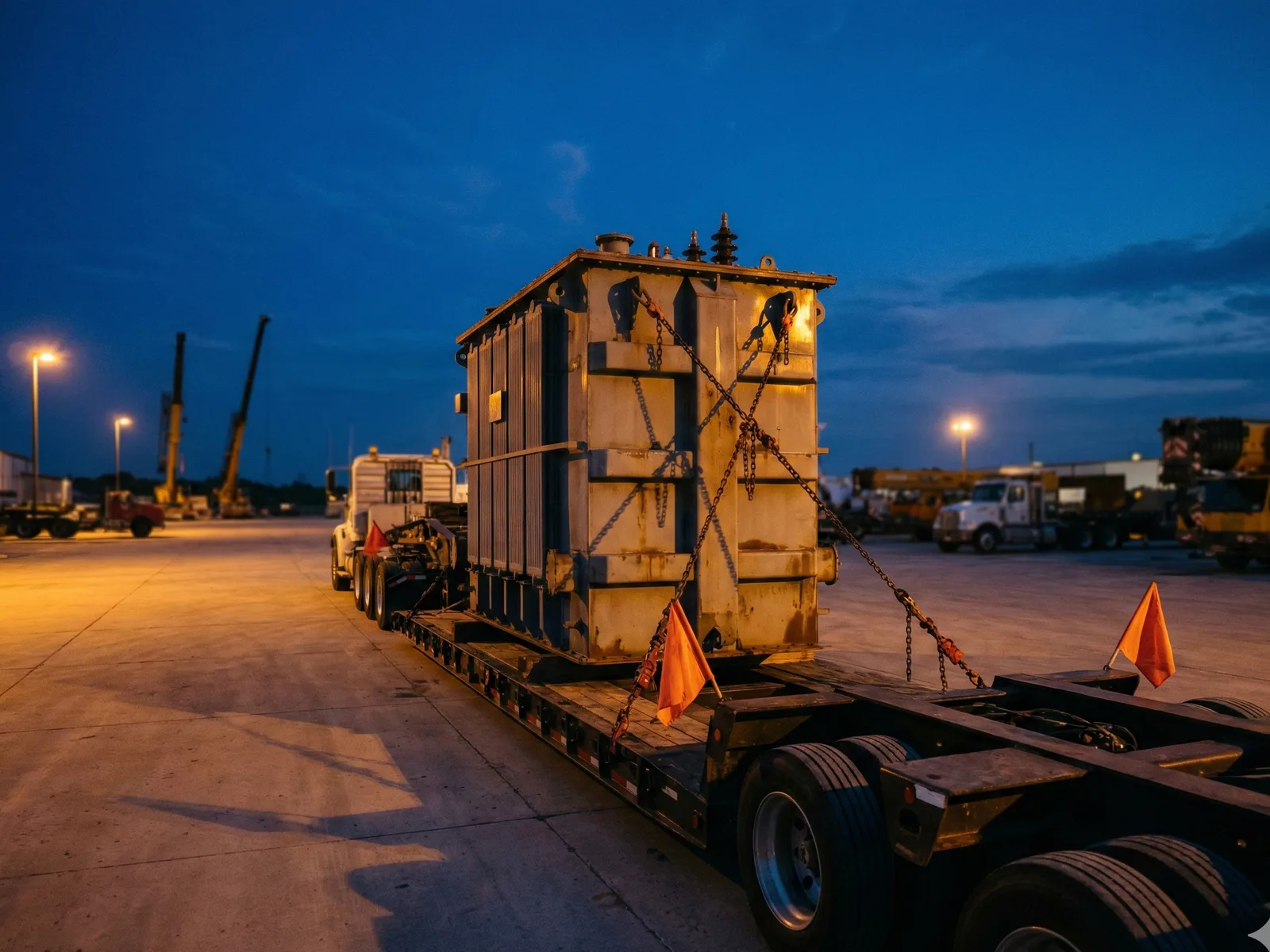
Robin Transportation Systems Inc.

Project Cargo & Heavy Haul from Toronto

Project Cargo

Oversized, Over-Dimensional & Heavy Haul

Oversized and overweight shipments with MTO permits, route surveys, escort coordination, and multi-modal routing. Licensed customs broker partner. 15-minute response.

30+ YearsCustoms SupportDG Capable15-Min Response

Equipment & Capacity

From standard flatbeds to SPMTs moving 16,000+ tonnes. Equipment selection depends on cargo dimensions, weight, and route.

Standard Flatbed

48,000 lbs

Steel, lumber, industrial components

Deck: 58-62 inLength: 48-53 ft

Step Deck

44,000-46,000 lbs

Taller machinery, vehicles

Deck: 36-40 inLength: 48-53 ft

Double Drop

40,000-58,000 lbs

Over-height equipment

Deck: 18-24 inLength: 29-50 ft

RGN

150,000+ lbs

Heaviest road loads, tracked equipment

Deck: 18-24 inLength: Up to 53 ft

Stretch RGN

160,000+ lbs

Long + heavy combination loads

Deck: 18-24 inLength: Up to 80 ft total

Schnabel (13-axle)

200,000 lbs

Transformers, turbine segments

Deck: VariesLength: Varies

Multi-Axle Float

300,000+ lbs

Industrial modules

Deck: Ground levelLength: Custom

SPMT

90-16,000+ tonnes

Heaviest loads (nuclear, offshore)
Deck: Ground levelLength: Custom config
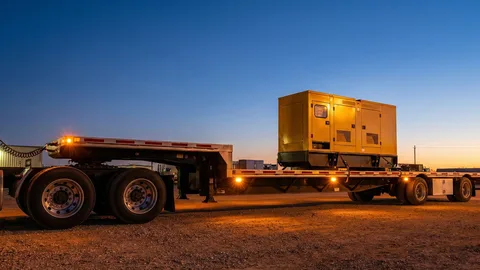
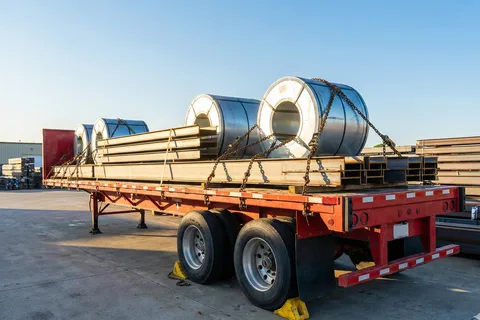
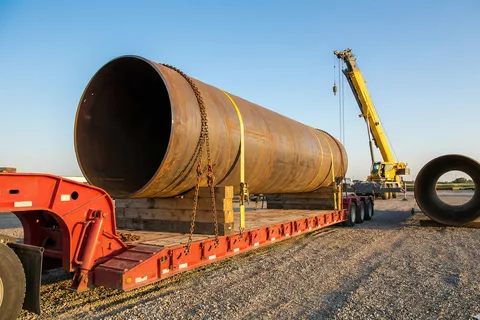
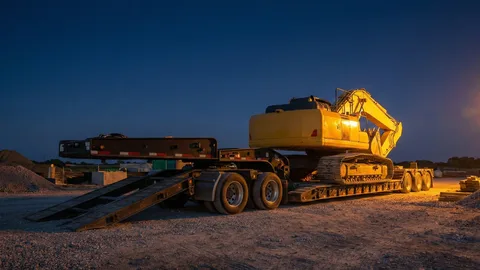
Excavator staged on a low-deck heavy haul trailer for oversized project transportIndustrial generator secured on a step deck trailer for over-height freight movementSteel coils and long members chain-secured on a flatbed for heavy cargo delivery

Industries We Serve

Ontario has $153B+ in active infrastructure projects. Every one of them needs project cargo.

Nuclear Energy

Reactor vessels, steam generators, heat exchangers

Darlington/Bruce/Pickering refurbishments, SMR development

Wind & Renewables

Nacelles (80-100+ t), blades (50-80 m), tower sections

Ontario 7,500 MW procurement; wind investment +115.8%

Construction & Transit

TBMs, precast segments, station equipment, bridge beams

Eglinton LRT ($12.57B), Ontario Line ($10.9B), Gordie Howe Bridge

Mining

Haul trucks, excavators, crushers, conveyors

Northern Ontario mineral extraction expansion

Oil & Gas

Reactors, columns, compressors, pipe racks

Refinery maintenance, upgrader projects

Manufacturing

Presses, CNC machines, assembly line equipment

Automotive reshoring, EV battery plants

Data Centres

Generators, transformers, cooling units

Rapid GTA expansion
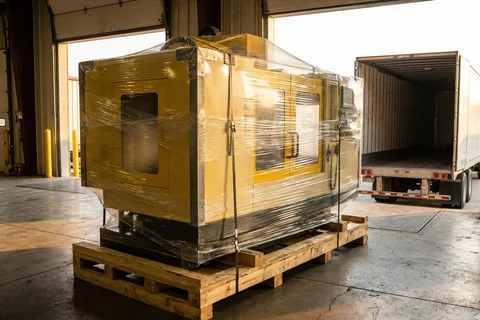
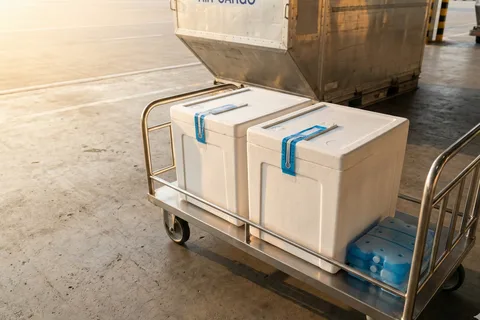
Manufacturing equipment staged in a warehouse for crating and heavy transport preparationEnergy-sector cargo routed for specialized handling and permit-controlled project deliverySensitive industrial and regulated cargo prepared for secure multimodal shipment

Permits & Route Planning

MTO permits, escort vehicles, route surveys, and engineering assessments. RTSI manages the entire regulatory process for oversized and overweight loads in Ontario.

Oversize Permits

Four permit types, each with specific weight and dimension thresholds.

Single Trip

7 days
Max Route-specificWidth Up to 4.99 m5 business days

Annual

12 months
Max 63,500-78,000 kgWidth 3.85 m (multi-lane)15 business days

Project

Up to 6 months
Max Up to 70,000 kgWidth Up to 4.30 m15 business days

Special Vehicle

Varies
Max CustomWidth CustomCase-by-case

Superloads (>120,000 kg)

Require a designated consulting engineer to evaluate every bridge on the route. MTO approval of bridge evaluation required before permit issuance. Plan 3-6 months ahead.
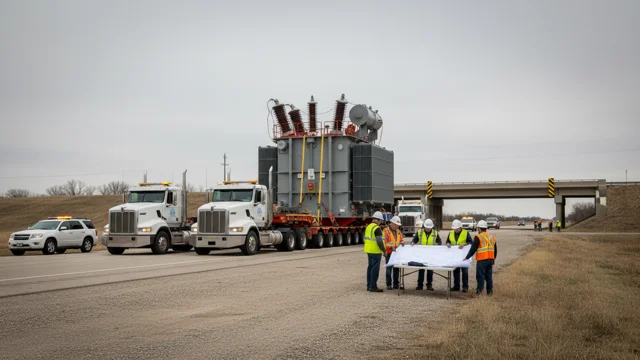
Route survey and engineering briefing for an oversize transformer heavy haul convoy

Escort Vehicle Requirements

2.61-3.99 m wideNoneNone
4.00-4.59 m wide1 escort1 escort
4.60-4.99 m wide1 escort2 escorts
> 4.87 m tall1 pole car1 pole car

Travel Restrictions

  • GTA curfew: No travel 7:00-9:30 AM, 3:30-6:30 PM
  • Friday summer: No travel 3 PM-midnight (June-Aug)
  • Statutory holidays: Restricted for larger loads
  • Spring thaw: Reduced limits March-May
  • Night moves: Multi-lane controlled-access only

Route Survey & Engineering

Every oversize move starts with a route survey. Four phases, from desktop planning to final deliverables.

1

Pre-Survey

  • Cargo dimensions, weight, center of gravity
  • Initial route study via maps and satellite
  • Candidate routes and alternatives identified
2

Field Inspection

  • GPS cameras and laser measuring
  • Bridge clearances, gradients, obstructions
  • Overhead utilities and powerline heights
  • Turning radii at intersections
3

Engineering

  • Bridge load rating verification
  • Road surface capability certification
  • Axle configuration and load distribution
  • Temporary reinforcement needs
4

Deliverables

  • Route survey report with photos and GPS
  • Escort positioning plan
  • Traffic management plan
  • Contingency plans

Multi-Modal Coordination

Most project cargo moves across two or more transport modes. RTSI coordinates every leg.

Ocean + Road

Heavy lift vessels to Port of Hamilton or St. Lawrence ports, then specialized road transport to project site.

Port of Hamilton: 110 MT single lift, 200+ MT tandem

Rail + Road

CN/CPKC intermodal to Brampton or Vaughan terminals, then last-mile road delivery.

Suited for heavy loads where road permits are impractical

Air + Road

Charter aircraft to Pearson for time-critical components, then specialized ground transport.

Turbine blades, control systems, emergency parts
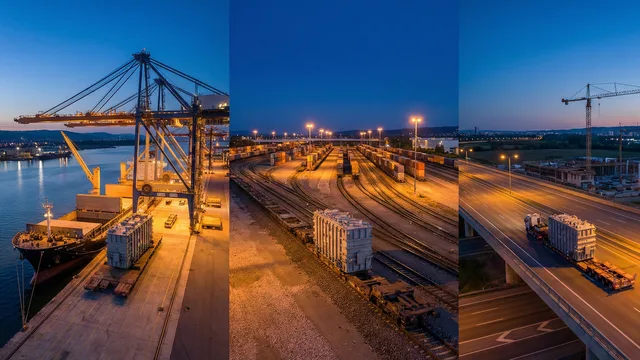
Multi-modal project cargo journey: port crane loading onto vessel, intermodal rail yard with containers on flatcars, and oversized load on highway approaching construction site at dusk

St. Lawrence Seaway Access

The Seaway connects 15 major ports with 40+ highways and 30 rail lines. Seawaymax vessels: 225.5 m LOA, 23.8 m beam, 8.08 m draft.

Port of Hamilton: Ontario's busiest marine port with Ro-Ro ramp, 20,000 m2 rail transload facility, and shore cranes lifting 110-200+ MT.

Cross-Border Project Cargo

Oversized cross-border moves require permits in both jurisdictions and customs support for high-value industrial equipment. RTSI coordinates transport, documents, broker communication, and release timing through one managed workflow.

  • ACI/eManifest pre-filing for Canada-bound
  • ACE filing for US-bound
  • CUSMA/USMCA compliance and duty optimization
  • Oversize permits in Ontario AND destination state
  • Temporary import provisions for project equipment
  • ATA Carnets for equipment returning after completion
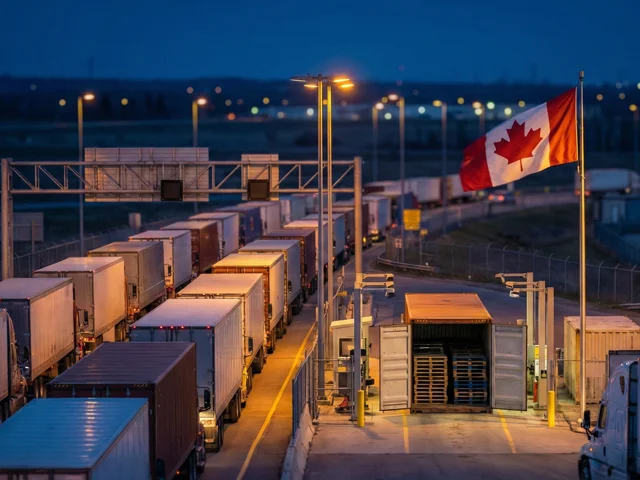
Freight trucks at Canada-US border crossing with Canadian flag, project cargo border clearance requires advance permits and route surveys

Project Cargo Insurance

Standard carrier liability is inadequate for high-value project cargo. RTSI arranges tailored coverage for every leg.

Inspection and digital condition capture for insured high-value project cargo

All-Risk Marine Transit

Broadest coverage for all transport legs. Ideal for multi-day port handling.

Delay in Start-Up (DSU)

Covers financial losses if cargo arrival misses project schedule deadline.

Builder's Risk Extension

Covers cargo from transit through installation at project site.

Heavy Lift / Vessel

Covers rigging, lifting, and loading operations specific to project cargo.

Frequently Asked Questions

Common questions about project cargo and heavy haul logistics.

What is project cargo and how is it different from standard freight?
Project cargo includes oversized, overweight, or high-value items that cannot fit in standard containers or trailers, typically exceeding 2.6 m wide, 4.15 m tall, or 63,500 kg GVW in Ontario. It requires specialized equipment (RGN, Schnabel, SPMT), MTO permits, route surveys, escort vehicles, and engineering assessments. Standard flatbed freight stays within legal limits and moves on regular permits.
What permits do I need for oversized loads in Ontario?
The Ontario MTO issues four permit types: Single Trip (7 days, loads up to 4.99 m wide / 45.75 m long), Annual (12 months, up to 3.85 m wide / 25-32 m long), Project (up to 6 months for repeat moves on the same route), and Special Vehicle Configuration for unique combinations. Processing takes 5-15 business days. RTSI coordinates all permit applications.
How much weight can be transported on Ontario highways?
Standard permits cover loads up to 63,500-78,000 kg GVW. Loads exceeding 120,000 kg are classified as superloads and require a designated consulting engineer to evaluate bridges on the route. SPMT configurations can move 90 to 16,000+ tonnes for the heaviest loads: reactor vessels, offshore platforms, and industrial modules.
Do I need escort vehicles for oversized loads in Ontario?
Escort requirements depend on load dimensions. Loads wider than 4.0 m require one escort on multi-lane highways; wider than 4.6 m on two-lane highways require two escorts. Loads taller than 4.87 m require a pole car for overhead clearance verification. RTSI arranges all escort vehicles, flagging, and communication equipment.
What equipment types are used for project cargo?
Common equipment: standard flatbeds (48,000 lbs), step decks (46,000 lbs), double drops (58,000 lbs), RGN trailers (150,000+ lbs), Schnabel trailers (200,000+ lbs for transformers), multi-axle floats (300,000+ lbs), and SPMTs for the heaviest loads. Equipment selection depends on cargo dimensions, weight, and route constraints.
Can RTSI coordinate customs clearance for oversized cross-border shipments?
Yes. RTSI coordinates specialized transport, customs documentation, broker communication, ACI/eManifest support, permits in both jurisdictions, and temporary import provisions for cross-border project cargo between Canada, the US, and Mexico. Regulated customs work is handled by licensed customs broker partners. Call us.
What industries typically need project cargo services?
Key industries: nuclear energy (reactor components, turbines), wind energy (blades up to 80 m, nacelles 100+ tonnes), construction (TBMs, bridge segments), mining (haul trucks, crushers), oil and gas (reactors, columns), manufacturing (heavy machinery), and data centres (generators, transformers). Ontario alone has $153B+ in active infrastructure projects driving demand.
How far in advance should I plan a project cargo move?
Minimum 4-8 weeks for standard oversize moves. Superloads (>120,000 kg) may need 3-6 months for bridge engineering assessments, permit approvals, and route survey completion. Multi-modal moves (ocean + rail + road) require longer lead times for vessel and equipment booking. Contact RTSI early. We respond within 15 minutes.
Does RTSI handle dangerous goods in project cargo?
Yes. Industrial equipment often contains hydraulic fluids, batteries, pressurized components, or other regulated materials. RTSI's team coordinates hazmat documentation and compliance through certified carriers alongside project cargo logistics, a combination few competitors offer. We manage TDG and IMDG requirements across all transport modes.
What insurance coverage do I need for project cargo?
Project cargo typically requires All-Risk Marine Transit insurance covering physical loss or damage during all transport legs. Additional options: Delay in Start-Up (DSU) for schedule-critical projects and Builder's Risk extensions covering transit through installation. RTSI arranges cargo insurance as part of the shipment. Underwriter involvement in route survey approval is recommended for high-value loads.