Robin Transportation Systems Inc.

Container Drayage Services: Port & Rail

Container Drayage

Port to Door. Rail to Door.

Container pickup from any Canadian port or rail terminal. Licensed customs broker partner for same-day release. Cross-dock and transloading available.

30+ YearsCustoms SupportSame-Day Release15-Min Response

Container Drayage Services

Four types of container moves. RTSI coordinates each one with customs status, broker communication, and release timing.
Port Drayage

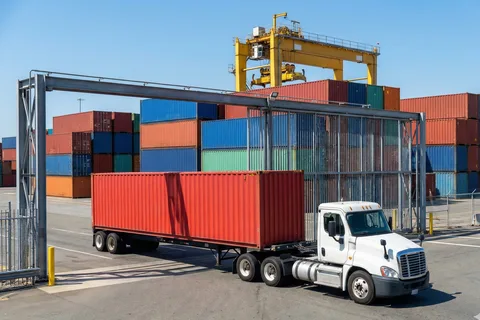
Port Drayage

Container pickup from marine terminal to your facility or cross-dock
Rail Drayage

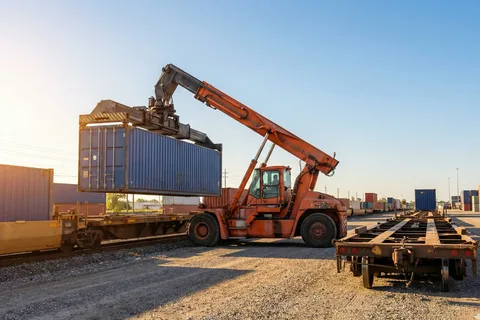
Rail Drayage

Container pickup from CN/CPKC intermodal terminals to final destination
Depot Drayage

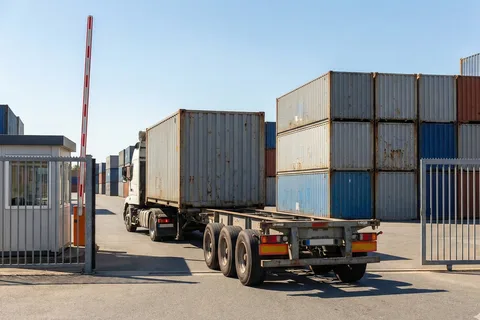
Depot Drayage

Empty container return to carrier depot after unloading

Cross-Dock

Cross-Dock

Container stripped at warehouse, freight transloaded to trucks for last-mile

Ports & Rail Terminals

Container drayage from every major marine terminal and intermodal yard across Canada.

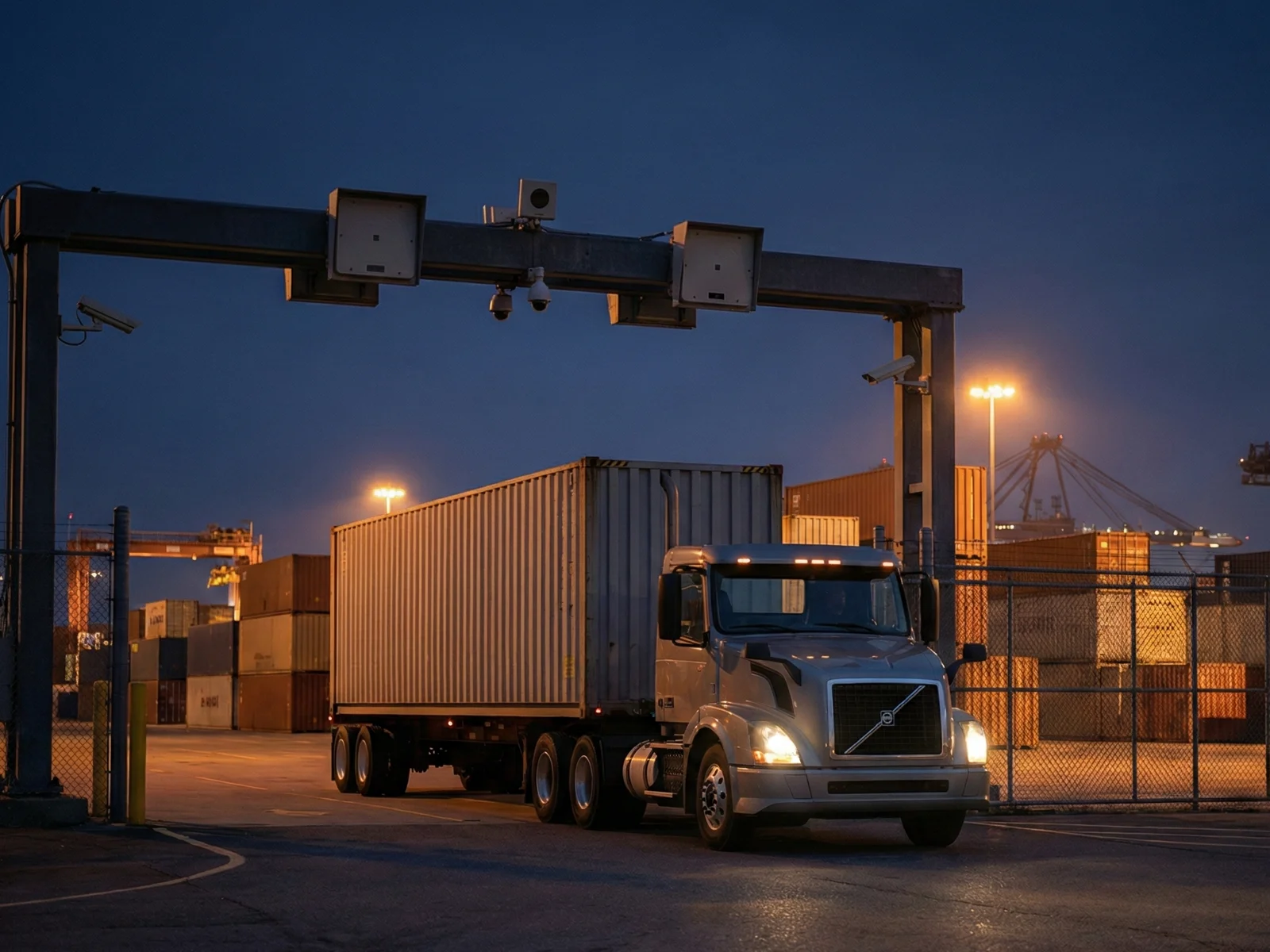
Marine terminal with stacked containers and gate operations for drayage pickup scheduling

Port of Montreal

  • Maisonneuve Terminal
  • Cast Terminal
  • Racine Terminal
  • Viau Terminal
  • Bickerdike Terminal

Rail: CN + CPKC direct rail to GTA

Dray: 540 km to Toronto (5-6 hrs)

Port of Vancouver

  • Deltaport (GCT)
  • Vanterm (GCT)
  • Centerm (DP World)
  • Fraser Surrey Docks

Rail: CN + CPKC transcontinental to Ontario

Dray: Rail to GTA intermodal, then local dray

Port of Halifax

  • PSA Halifax (Fairview Cove)
  • PSA Halifax (South End)

Rail: CN direct rail to GTA

Dray: Rail to GTA intermodal, then local dray

GTA & Eastern Canada Rail Terminals

CN Brampton Intermodal

Brampton, ON

Largest CN terminal in GTA

CPKC Vaughan Intermodal

Vaughan, ON

Primary CPKC terminal in GTA

CN Mississauga Yard

Mississauga, ON

CN automotive and freight terminal

CN Montreal (Taschereau)

Montreal, QC

Major eastern hub

CPKC Lachine

Montreal, QC

CPKC Montreal intermodal

Container Sizes & Chassis Types

Every standard ISO container type. Chassis matched to container size and weight.
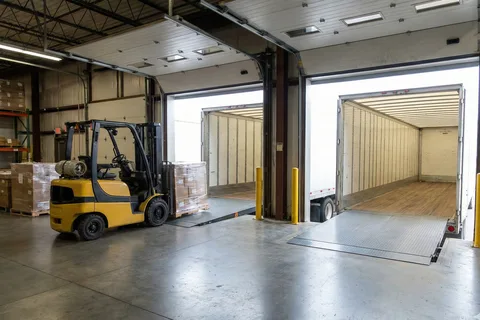
Forklift staging freight beside trailers

20' Standard

21,800 kg

Single axle chassis

Tare: 2,300 kg

40' Standard

26,730 kg

Tandem axle chassis

Tare: 3,750 kg

40' High Cube

25,500 kg

Tandem axle chassis, +30 cm height

Tare: 3,940 kg

45' High Cube

25,600 kg

Extended chassis or slider

Tare: 4,800 kg

20' Reefer

21,000 kg

Genset required for road legs

Tare: 3,080 kg

40' Reefer

26,000 kg

Genset required for road legs

Tare: 4,800 kg

20' Open Top

21,700 kg

Overheight cargo

Tare: 2,350 kg

40' Flat Rack

40,000 kg

Oversized / out-of-gauge

Tare: 5,000 kg

Reefer containers?

Temperature-controlled containers need a genset for road transport. RTSI coordinates genset availability and continuous temperature monitoring during drayage.

Cold Chain Services →

Open top or flat rack?

Out-of-gauge and oversized containers require specialized handling and may need oversize permits for road transport. RTSI coordinates permits and escorts.

Project Cargo Services →

Demurrage & Detention Charges

Every day your container sits at a terminal or depot costs money. Customs delays are a common cause. RTSI reduces that risk by coordinating drayage timing with the licensed customs broker partner.
PeriodDaily ChargeTerminal Notes
Days 1-5Free time (typical)Carrier-specific; verify BOL terms
Days 6-10$100-$175/dayStandard rate, escalating
Days 11-15$175-$250/dayEscalated rate
Days 16+$250-$350+/dayMaximum penalty rate
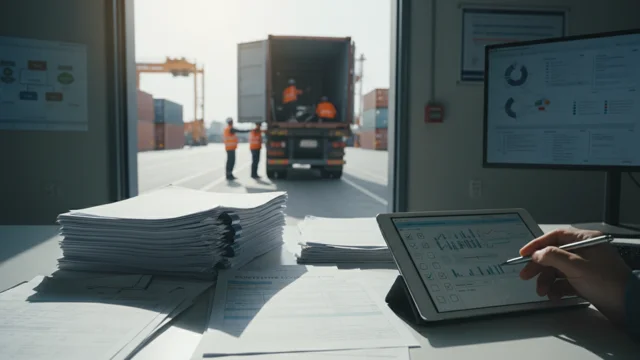
Drayage dispatch and customs release planning used to avoid terminal demurrage and detention fees

Demurrage

Charged for keeping a loaded container at the port/terminal beyond free time (typically 3-5 days). The longer it sits, the more it costs.

Detention

Charged for keeping the carrier's empty container at your facility beyond free time (4-7 days). Return the empty promptly to avoid charges.

How RTSI Prevents Both

RTSI coordinates with the licensed customs broker partner so declarations can be filed before vessel arrival. Driver dispatch and empty return are timed around release.

How Container Drayage Works

1

Customs Clearance

CBSA declaration is filed by the licensed customs broker partner while vessel or train is still in transit.

2

Release & Dispatch

Container released same-day. Driver dispatched to terminal for pickup.

3

Pickup & Transport

Container loaded on chassis, transported to your facility or our cross-dock.

4

Delivery or Transload

Live unload at your dock, or stripped and transloaded at our cross-dock facility.

5

Empty Return

Empty container returned to carrier depot within free time. No detention charges.

Cross-Dock & Transloading

Not every facility can receive a container on chassis. RTSI strips containers at our cross-dock facility and transloads freight onto trucks for final delivery, or holds inventory for staged releases.

  • Container stripped and freight palletized or floor-loaded to trucks
  • Multi-stop delivery from a single container
  • Short-term storage for staged releases
  • Faster empty return = lower detention risk
  • Cross-docking for immediate outbound shipment
  • Inventory sorting and labeling available
Warehousing & Storage Services →
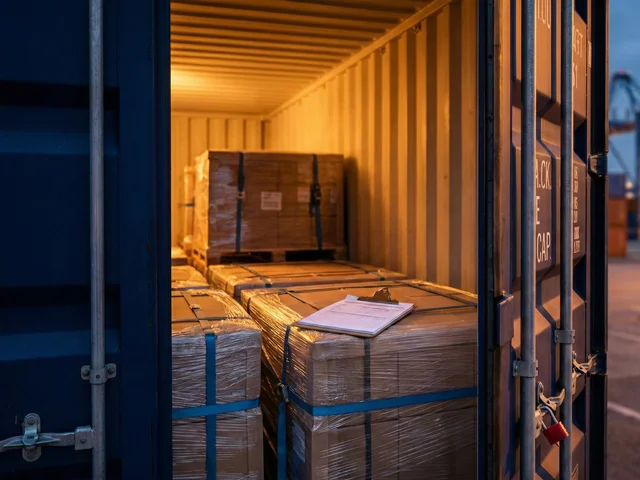
Open shipping container with palletized freight being unloaded at warehouse dock

Frequently Asked Questions

Common questions about container drayage in Canada.

What is container drayage?
Drayage is the short-distance transport of shipping containers between marine ports, rail terminals, warehouses, and final destinations. It's the 'last mile' (or first mile) of ocean and intermodal freight. A drayage driver picks up a loaded container on a chassis, delivers it to the consignee, then returns the empty container to the carrier's designated depot, all within strict free time windows to avoid demurrage and detention charges.
What ports and rail terminals does RTSI pick up from?
RTSI provides container drayage from all major Canadian marine terminals: Montreal (Maisonneuve, Cast, Racine, Viau, Bickerdike), Vancouver (Deltaport, Vanterm, Centerm, Fraser Surrey), and Halifax (PSA Fairview Cove, South End). For rail intermodal, we cover CN Brampton, CPKC Vaughan, CN Mississauga, and terminals in Montreal, Halifax, and Vancouver.
How does RTSI prevent demurrage and detention charges?
Demurrage charges start after free time expires. RTSI coordinates with the licensed customs broker partner so CBSA declarations can be filed while the vessel is still in transit. We dispatch drivers immediately upon release and return empty containers within free time. This reduces delays between customs clearance and physical pickup.
What is the difference between demurrage and detention?
Demurrage is charged for keeping a loaded container at the port or terminal beyond free time. Detention is charged for keeping the carrier's empty container at your facility beyond free time (typically 4-7 days). Both charges escalate over time and can reach $250-$350+ per day. RTSI manages both timelines to avoid charges entirely.
Can RTSI transload containers at a warehouse?
Yes. RTSI operates cross-dock and transloading services. If your facility can't receive a container on chassis (no dock for container unloading) or you need multi-stop delivery, we strip the container at our cross-dock facility and transload freight onto trucks for final-mile delivery. This also allows returning the empty container faster, reducing detention risk.
How long does container drayage take from Montreal to Toronto?
Direct drayage from Port of Montreal to Toronto takes approximately 5-6 hours (540 km). When the licensed customs broker partner files before arrival and same-day release is available, RTSI can have a Montreal container at your Toronto facility within 24 hours of vessel discharge. For Vancouver and Halifax, containers move by rail to GTA intermodal terminals, then local drayage to final destination.
Does RTSI coordinate customs clearance for drayage containers?
Yes. Most drayage companies are transport-only, so you need a separate customs broker. RTSI coordinates drayage, shipping documents, and communication with the licensed customs broker partner while the container is still in transit. One RTSI contact keeps customs clearance workflow and physical delivery aligned.
What container sizes can RTSI dray?
We handle all standard ISO container sizes: 20' standard, 40' standard, 40' high cube, 45' high cube, 20' and 40' reefer (with genset), 20' open top, and 40' flat rack. Chassis type is matched to container size: single axle for 20', tandem axle for 40'/45', and slider chassis for 45' containers.
What is the drayage process from port to delivery?
Five steps: (1) CBSA declaration is filed by the licensed customs broker partner while the vessel is in transit. (2) Container is released when CBSA requirements are met. (3) Driver is dispatched to the terminal. (4) Container is delivered for live unload or stripped at our cross-dock. (5) Empty container is returned within free time.
Can RTSI handle reefer container drayage?
Yes. Reefer containers require a genset (generator set) to maintain temperature during road transport. RTSI coordinates genset availability, continuous temperature monitoring during drayage, and priority scheduling to minimize time outside the port's shore power. This ties into our full cold chain logistics service for temperature-controlled shipments.