Robin Transportation Systems Inc.

Cold Chain Logistics from Toronto

Cold Chain Logistics

Temperature-Controlled Freight, All Modes

Reefer trailers, ocean containers, and air cold chain. CFIA and Health Canada compliant. Licensed customs broker partner. 15-minute response.

IATA Affiliated30+ YearsCFIA Compliant15-Min Response

Temperature Zones We Handle

From -25 degrees C deep frozen to +30 degrees C ambient controlled. Every zone, every commodity.

Deep Frozen

-25 degrees C to -18 degrees C

-13F to 0F

Ice cream, frozen seafood, frozen meat

Frozen

-18 degrees C to -12 degrees C

0F to 10F

Frozen foods, prepared meals, frozen fruit

Chilled

0 degrees C to 4 degrees C

32F to 39F

Fresh meat, dairy, produce, cut flowers

Cool

4 degrees C to 8 degrees C

39F to 46F

Cheese, wine, chocolate, some produce

Pharma Cold

+2 degrees C to +8 degrees C

36F to 46F

Vaccines, insulin, biologics, blood products

Controlled Room

+15 degrees C to +25 degrees C

59F to 77F

Most pharmaceuticals, clinical trials, APIs

Ambient

+15 degrees C to +30 degrees C

59F to 86F

Confectionery, cosmetics, chemicals
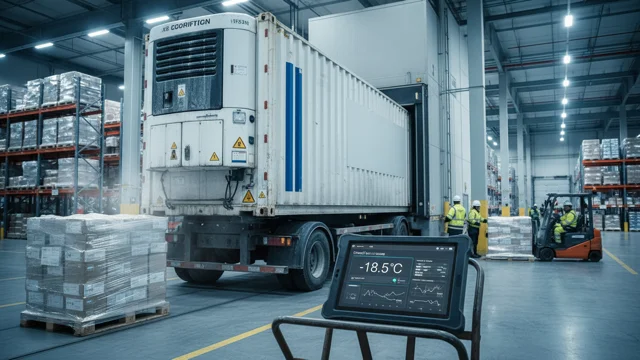
Reefer trailer at warehouse dock with live temperature monitoring panel showing controlled cold chain conditions

Multi-Modal Cold Chain

RTSI coordinates temperature-controlled freight across all three modes and maintains the cold chain through every handoff.

Ground: Reefer Trailers

  • 53' reefer trailers, -29 degrees C to +27 degrees C
  • Multi-temp compartments (1-3 zones)
  • FTL and LTL across Canada
  • Cross-border CA-US-MX
  • Real-time GPS + temperature telematics
Land Freight Services →

Ocean: Reefer Containers

  • 20' and 40' reefer containers, -30 degrees C to +30 degrees C
  • Genset coordination for road/rail legs
  • Controlled atmosphere for produce
  • Pre-trip inspection management
  • FCL cold chain worldwide
Ocean Freight Services →

Air: Cold Chain Air Cargo

  • IATA PCR/TCR compliant
  • Pearson CEIV Pharma certified facility
  • Dry ice handling (DG Class 9)
  • Active containers (Envirotainer, va-Q-tec)
  • Fastest mode for perishables and pharma

Air Freight Services →
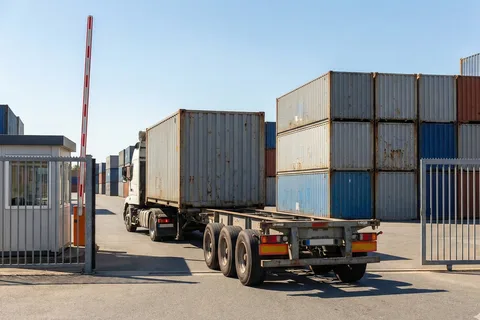
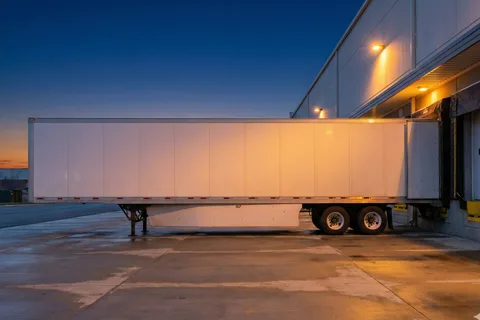
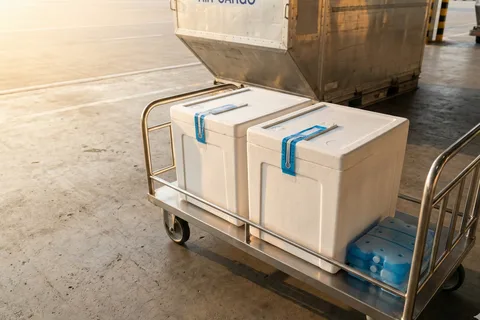
Temperature-sensitive air freight loaded for priority flight connectionsContainer yard transfer supporting reefer handoffs between marine and inland cold chain legsLong-haul trailer movement representing controlled ground distribution across regional lanes

Temperature-Sensitive Commodities

From Canadian lobster exports to imported pharmaceutical biologics.

Seafood

-18°C to +4°C

$8.1B Canadian exports (2024). Lobster, salmon, crab, shrimp.

Fresh Produce

0°C to +12°C

Year-round imports from US, Mexico, Central America. Controlled atmosphere for extended shelf life.

Meat & Dairy

-18°C to +4°C

$43.8B meat manufacturing sector. Canada is a major beef and pork exporter.

Pharmaceuticals

+2°C to +8°C

92% of APIs imported. $37B+ Canadian pharma market. Health Canada GUI-0069 compliance.

Vaccines & Biologics

+2°C to -80°C

95% of biologics are cold-chain dependent. Strict chain-of-custody requirements.

Wine & Spirits

+10°C to +16°C

Temperature fluctuation causes wine faults. Reefer preferred for imports.

Cut Flowers

+1°C to +4°C

Ethylene-sensitive, short shelf life. Air freight dominant. Colombia, Ecuador, Netherlands origins.

Clinical Trials

+2°C to -20°C

Strict GDP compliance. Chain-of-custody documentation. Active container packaging.
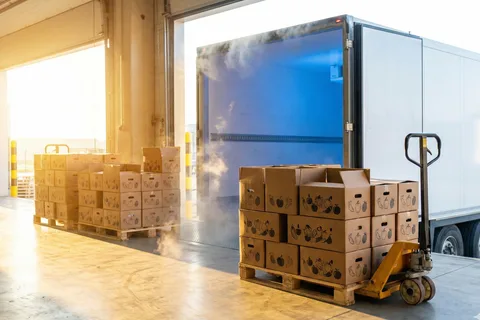
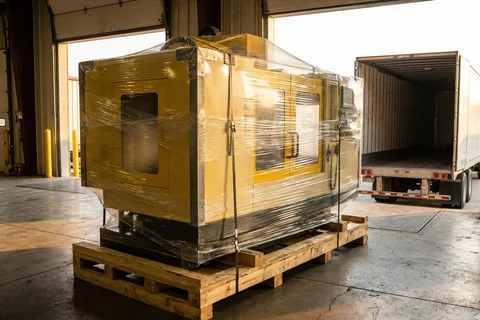
Packaged food pallets handled in a controlled warehouse environment for temperature-sensitive distributionPharmaceutical cargo staged for validated cold chain transport and monitoringIndustrial and specialty goods prepared with controlled handling requirements before shipment

CFIA & Health Canada Compliance

Temperature-controlled imports must meet strict Canadian regulatory standards. RTSI coordinates both workflows the temperature and the paperwork.

Food: CFIA / SFCR

  • Refrigerated food: 4 degrees C or below
  • Frozen food: -18 degrees C or below
  • SFC licence required for import/export/interprovincial
  • Traceability: one step forward, one step back
  • Preventive control plans (PCP) for many businesses

Pharma: Health Canada GUI-0069

  • Drugs stored and transported per labelled conditions
  • Calibrated continuous temperature monitoring
  • Temperature mapping of vehicles and storage
  • Excursion investigation and documentation
  • Records retained 1 year after product expiry

Warehouse inspection process documenting product condition and compliance controls for regulated cold chain freight

HACCP Principles in Transport

Seven principles applied to cold chain:

  1. 1Hazard analysis (temperature risks at each stage)
  2. 2Critical control points (pre-cool, loading, transit, delivery)
  3. 3Critical limits (4 degrees C refrigerated, -18 degrees C frozen)
  4. 4Monitoring procedures (continuous data logging)
  5. 5Corrective actions (excursion protocols)
  6. 6Verification (equipment calibration, audits)
  7. 7Record-keeping (temperature logs, corrective actions)

Pearson CEIV Pharma

Air Canada Cargo invested $16M in a 30,000+ sq ft cold chain facility at Toronto Pearson, the only CEIV Pharma certified cargo facility for a Canadian airline. RTSI's IATA affiliation gives us access to this infrastructure.

Reefer Equipment

Ground trailers and ocean containers with specifications for every cold chain need.
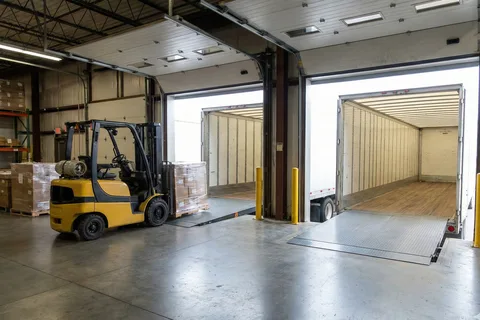
Forklift and trailer dock transfer operations supporting reefer equipment turnarounds

53' Reefer Trailer

-29°C to +27°C

Capacity3,000-3,800 cu ftPayload43,000-45,000 lbsNotes1-3 temp zones per trailer

20' Reefer Container

-30°C to +30°C

Capacity28.3 m³ (999 cu ft)Payload27,400 kgNotesSuper freezers to -65°C

40' Reefer Container

-30°C to +30°C

Capacity59.3 m³ (2,093 cu ft)Payload27,700 kgNotesSuper freezers to -65°C

40' HC Reefer

-30°C to +30°C

Capacity67.3 m³ (2,380 cu ft)Payload29,520 kgNotesExtra height for pallets

Temperature Monitoring

Continuous monitoring with calibrated equipment. Digital audit trails for regulatory inspection.

USB Data Loggers

Record temperature at set intervals. Downloaded at destination. Brands: Sensitech, Emerson, Testo.

IoT / Wireless Sensors

Real-time monitoring via cellular or satellite. Immediate alerts if thresholds breached.

GPS + Temp Telematics

Integrated location and temperature on single platform. Thermo King TracKing, Carrier Lynx Fleet.

Chemical Indicators

Time-temperature indicators (TTIs) that change colour irreversibly if threshold exceeded.

Cold chain control desk reviewing temperature logs and dispatch windows for monitored shipments

Cold Chain Packaging

TypeTempDuration
Gel Packs

Pharma, food, biologics (short transit)

2°C to 8°C24-72 hrs
Dry Ice

Frozen pharma, vaccines, lab specimens

-78.5°C24-48 hrs
Phase Change (PCM)

Pharma, biotech, clinical trials

Custom (-22°C to +22°C)48-120+ hrs
Vacuum Insulated (VIP)

High-value pharma, cell therapy

Varies72-120+ hrs
Active Containers

Global pharma air shipments

Programmable120+ hrs

Dry Ice = DG Class 9

Air shipments with dry ice require IATA DG documentation. RTSI coordinates this as part of our dangerous goods capability.

Cross-Border Cold Chain

Most cold chain carriers hand off customs to a third party, adding time outside temperature control. RTSI coordinates freight documents and broker communication to keep the cold chain moving.

  • CFIA hold releases for food imports
  • Health Canada clearances for pharmaceutical imports
  • AIRS (Automated Import Reference System) compliance
  • FDA/FSMA coordination for US-bound food exports
  • CUSMA compliance for duty-free food trade
  • Expedited clearance minimizes ambient exposure time
Customs Support Services →
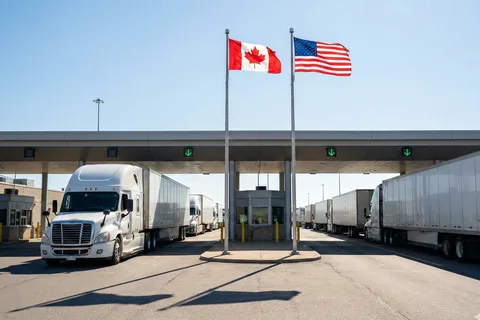
Cross-border corridor routes used for temperature-controlled freight moving between Canada and the US

IATA Affiliated

Pearson CEIV Pharma facility access.

Customs Support

Broker coordination reduces ambient exposure time.

DG Capable

Dry ice, temp-sensitive DG handled.

Cargo Insurance

Reefer breakdown coverage arranged.

Frequently Asked Questions

Common questions about cold chain logistics in Canada.

What temperature ranges can RTSI maintain for cold chain shipments?
We handle every temperature zone: deep frozen (-25 degrees C), frozen (-18 degrees C), chilled (0-4 degrees C), pharma cold (+2 to +8 degrees C), controlled room temperature (+15 to +25 degrees C), and ambient controlled (+15 to +30 degrees C). Our reefer trailers operate from -29 to +27 degrees C, and ocean reefer containers from -30 to +30 degrees C. For ultra-low requirements (-60 to -80 degrees C), we coordinate specialized equipment and dry ice packaging.
What modes of transport does RTSI use for temperature-controlled freight?
All three: reefer trailers (53' FTL/LTL ground transport across Canada and cross-border), reefer containers (20'/40'/40'HC ocean freight worldwide), and air cargo cold chain via Toronto Pearson's CEIV-certified facility. We also coordinate multi-modal cold chain (ocean to reefer truck, air to temperature-controlled ground delivery), maintaining the cold chain through every handoff.
How does RTSI ensure CFIA compliance for food shipments?
We follow SFCR requirements: refrigerated food at 4 degrees C or below, frozen food at -18 degrees C or below. We coordinate CFIA import inspection timing, SFC licensing documentation, HACCP-aligned temperature monitoring, and traceability records. CFIA hold releases tied to customs clearance are handled through licensed customs broker partners to minimize time outside the cold chain.
Can RTSI handle pharmaceutical cold chain shipments?
Yes. We comply with Health Canada GUI-0069 for temperature control of drug products. We handle +2 to +8 degrees C (most vaccines, biologics, insulin) and +15 to +25 degrees C (controlled room temperature pharmaceuticals). This includes calibrated monitoring, temperature excursion documentation, and GDP-aligned processes. Our IATA affiliation supports pharma air freight through Pearson's CEIV Pharma facility. Call us.
What temperature monitoring does RTSI use during transport?
We deploy USB data loggers, real-time IoT wireless sensors, GPS-integrated temperature telematics, and chemical time-temperature indicators depending on commodity and regulatory requirements. All monitoring equipment is calibrated per CFIA and Health Canada standards. Digital temperature logs create tamper-evident audit trails available for regulatory inspection.
Does RTSI ship frozen food and seafood cross-border between Canada and the US?
Yes. Reefer trailer cross-border service with continuous temperature monitoring through the crossing. RTSI coordinates CFIA export documentation, FDA/FSMA import requirements on the US side, and customs clearance support through licensed broker partners. We also coordinate CUSMA documentation for duty-free food trade.
What is a temperature excursion and how is it handled?
A temperature excursion is any deviation from the required temperature range during storage or transport. Even brief excursions can compromise product safety. Health Canada GUI-0069 requires excursions to be investigated and documented. CFIA/SFCR requires corrective actions and may require product disposal. RTSI documents all excursions, coordinates investigations with all parties, and supports accept/reject decisions.
Can RTSI arrange cold chain air freight for perishables and pharmaceuticals?
Yes. RTSI is IATA affiliated and coordinates cold chain air cargo through Toronto Pearson's CEIV Pharma and CEIV Fresh certified facilities. We handle dry ice shipments (DG Class 9 documentation), active container bookings (Envirotainer, va-Q-tec), and IATA PCR/TCR compliance for perishable and pharmaceutical cargo. Air is the fastest mode for high-value, time-sensitive cold chain.
What cold chain packaging options does RTSI recommend?
Options depend on commodity, temperature range, and transit duration: gel packs (2-8 degrees C, 24-72 hrs), dry ice (-78.5 degrees C, 24-48 hrs), phase change materials (custom temps, 48-120+ hrs), vacuum insulated panels (72-120+ hrs for high-value pharma), and active containers (programmable, 120+ hrs for global shipments). Dry ice requires DG Class 9 documentation. RTSI coordinates that as part of our DG capability.
Does RTSI coordinate customs support for imported temperature-controlled goods?
Yes. Most cold chain carriers hand off customs to a third party, adding time outside temperature control. RTSI coordinates freight documents and broker communication for CFIA hold releases, Health Canada clearances, and AIRS requirements. Regulated customs work is handled by licensed customs broker partners. Call or email us.