Robin Transportation Systems Inc.
Customs Support & Coordination Services
Customs Support & Coordination
Classification. Clearance. Compliance.
Customs support coordination for Canadian imports. CARM guidance, tariff classification coordination, duty planning, and AMPS prevention through licensed customs broker partners. 15-minute response.
Coordinated Freight and Customs Support
Most importers use one company to move freight and a separate licensed broker to clear customs. RTSI coordinates freight, documents, delivery timing, and licensed broker communication in one managed workflow.
Without RTSI
3 companies. 3 invoices. 3 points of failure.
With RTSI
Freight + licensed customs broker partner + delivery. Coordinated by RTSI. Clear statement.
Faster Clearance
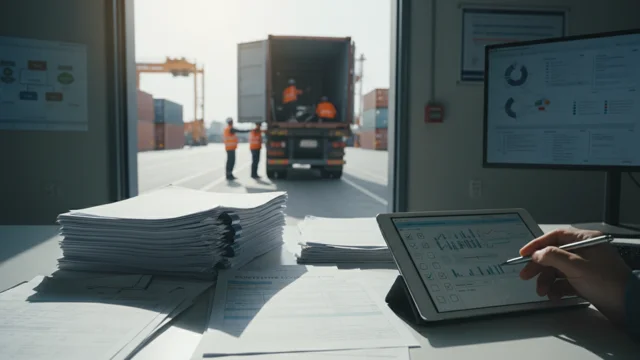
Documentation prepared while freight is in transit, not after it arrives.
Fewer Errors
Single data entry across shipping and customs. No re-keying between companies.
Lower Cost
One RTSI contact. Freight charges and licensed broker partner disbursements shown clearly.
Single Accountability
One RTSI point of contact coordinates freight movement, documents, delivery timing, and broker communication.
Canadian Import Process
ACI / eManifest
Advance cargo data submitted to CBSA before goods arrive. Highway: 1hr, Air: 4hrs, Marine: 24-96hrs before arrival.
Release
Goods released via RPP (Release Prior to Payment) or full accounting. RPP requires CARM registration and financial security.
Accounting (CAD)
Commercial Accounting Declaration submitted via CARM portal. Contains classification, value for duty, origin, and duty calculations.
Payment
Harmonized billing cycle: Statement of Account issued on the 25th. Payment due 10 weekdays after the 17th of the following month.
Verification
CBSA may audit classification, valuation, or origin post-release. Records must be retained for 6 years.
CARM Portal Compliance
CARM changed the rules for every commercial importer in Canada. Without registration and financial security, you cannot use Release Prior to Payment, meaning duties must be paid before your goods are released.
Mandatory Since
Oct 21, 2024
Replaces
ACROSS + CADEX
Key Change
Importers post own security
Without RPP
Pay duties at release
Portal Registration
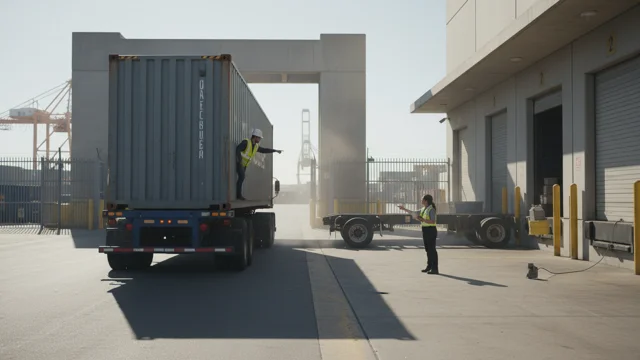
GCKey or Interac sign-in, multi-factor authentication, Business Account Manager setup, broker delegation. RTSI walks you through every step.
Financial Security
RPP requires posting your own financial security. Importers can no longer rely on a broker's bond. RTSI helps determine the right amount and method.
CAD Submissions
Commercial Accounting Declarations replaced B3/B2 forms. Our designated licensed customs broker partner submits CADs electronically, manages adjustments, and helps monitor your Statement of Account inside the CARM portal.
Not Registered Yet?
Call +1 (905) 612-0755 or email sales@robintransportation.com. We will get you compliant.
Tariff Classification
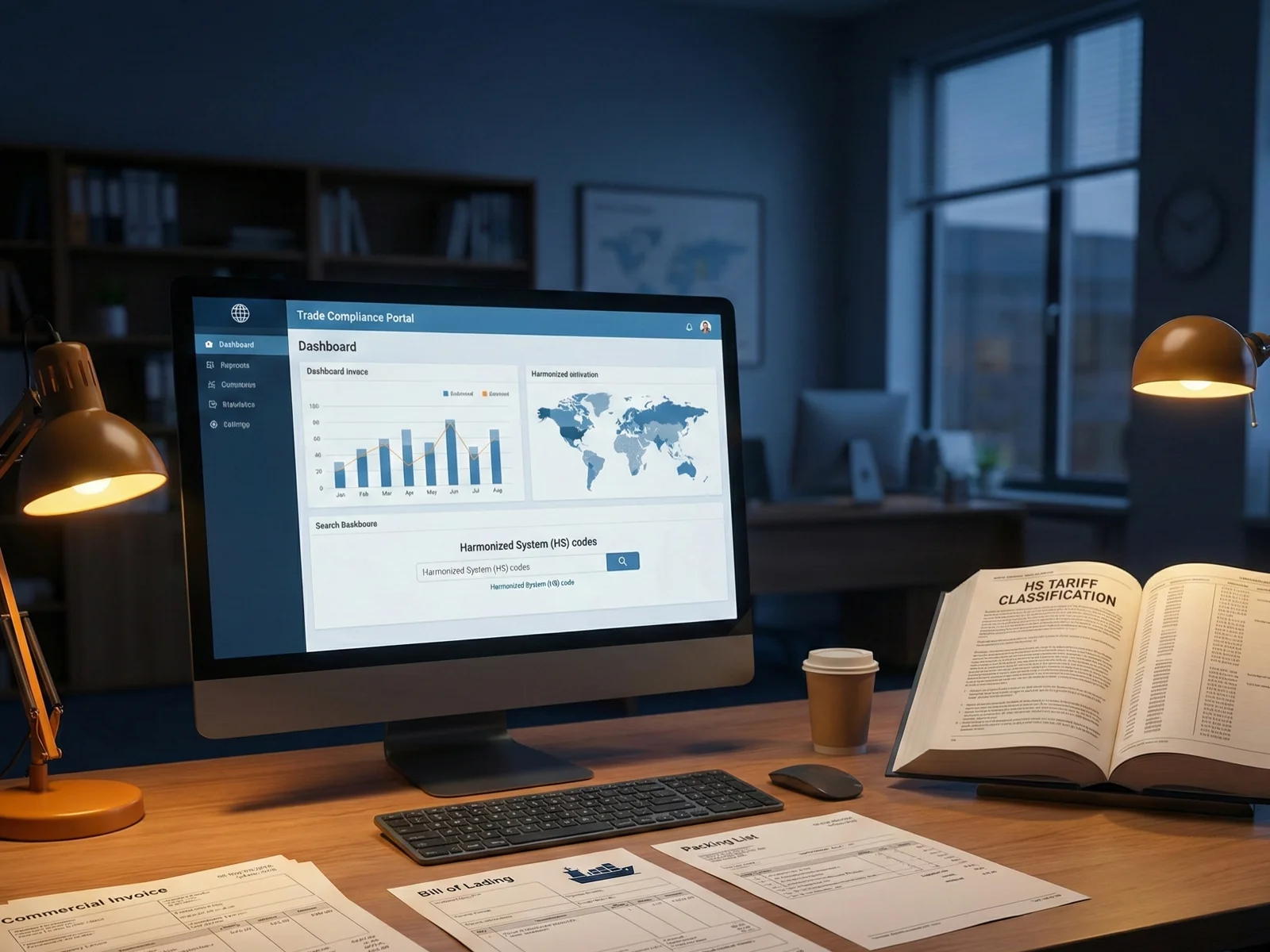
Every imported product needs a 10-digit Harmonized System (HS) code. This code determines your duty rate, applicable trade agreements, OGD requirements, and reporting obligations. Use our HS Code Lookup Tool to search Canadian and US tariff codes and duty rates.
HS Code Structure: Example, Fresh Apples
Chapter
Edible fruit and nuts
Heading
Apples, pears, quinces
Subheading
Apples (international standard)
Tariff Item
Apples for processing (Canadian duty rate)
Statistical
Specific variety/size (Stats Canada)

Why Classification Matters
- Wrong code = overpaid duties (money lost)
- Wrong code = underpaid duties (AMPS penalties, retroactive to 4 years)
- Wrong code = denied FTA preferential treatment
- Wrong code = seized goods if restricted category
Customs Valuation
Value for duty uses 6 methods applied in sequence. The primary method, transaction value (price paid or payable), is used whenever possible.
Common issues: related-party transactions, royalties, assists not properly declared, currency conversion. RTSI reviews transaction structures proactively to ensure your VFD is defensible.
Trade Agreements & Duty Optimization
Canada has 14+ free trade agreements covering 51 countries. We find every legal way to reduce your duty obligation.

CUSMA
US, Mexico
99.9% of CA-US bilateral trade duty-free
CETA
EU (27 states)
98.4% tariff elimination on non-ag goods
CPTPP
11 Asia-Pacific nations
25% export increase in first year
Canada-UK TCA
United Kingdom
99% tariff elimination
Duty Relief Programs
Duties Relief (DRP)
Upfront relief on imports that will be re-exported
Best for: Manufacturers, re-exporters
Drawback
Refund of duties on goods subsequently exported
Best for: Exporters importing raw materials
Bonded Warehouse
Full deferral of duties on stored imports
Best for: Distributors, consolidators
ATA Carnet
Duty-free temporary admission
Best for: Trade shows, professional equipment
CBSA Compliance & AMPS Prevention
CBSA can assess penalties retroactively for up to 4 years. Penalties stay on your profile for 3 years, increasing inspection frequency.
Voluntary Disclosure
Self-identified errors reported before CBSA detection may receive reduced or waived penalties. RTSI helps gather records and coordinates voluntary disclosure review with licensed broker partners or qualified advisors.
Trusted Trader Programs
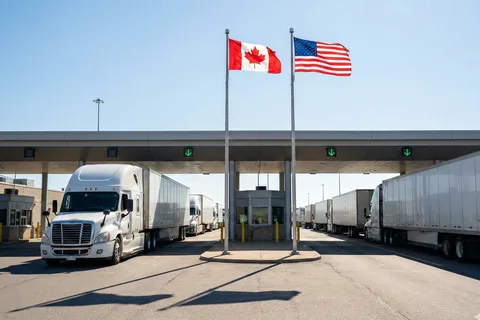
Lower inspection rate, FAST eligibility, international recognition
Simplified accounting, improved cash flow
Dedicated border lanes at CA-US crossings
RTSI's Compliance Approach
- Coordinate licensed broker partner review before submission
- Support correction of identified documentation issues
- Coordinate voluntary disclosure support with licensed broker partners when needed
- Record retention guidance (6-year requirement)
- Trusted trader program enrollment support
CFIA, Health Canada & Import Permits
Many imports require permits or inspections from CFIA, Health Canada, ECCC, Transport Canada, or Global Affairs. RTSI coordinates document collection, timing, and communication with licensed broker partners or the responsible agency contact.
CFIA
Food, plants, animals
Import permits, phytosanitary certs, SFCR licences
Health Canada
Drugs, medical devices, NHPs
Drug Establishment Licences, import notifications
ECCC
Ozone, hazardous waste, wildlife
CITES permits, Basel Convention compliance
Transport Canada
Vehicle safety, dangerous goods
CMVSS compliance, TDG certification
GAC
Controlled/strategic goods
Export/import permits under EIPA
Export Compliance
RTSI helps gather export data, permits, and support documents, and coordinates required filings with the appropriate licensed broker or filing partner. Declarations must be submitted 48 hours before export in most cases.
Dangerous Goods →Cross-Border Canada-US-Mexico
CUSMA documentation support, ACI/eManifest coordination for highway carriers, and FAST lane planning for approved importers. RTSI coordinates document flow and broker communication at major crossings.
Land Freight →Frequently Asked Questions
Common questions about customs support coordination in Canada.