Robin Transportation Systems Inc.
Dangerous Goods Shipping from Toronto
Dangerous Goods
All 9 Classes. Air, Ocean, and Ground.
TDG, IATA DGR, and IMDG compliant. Classification, documentation, packaging coordination. Licensed customs broker partner. 15-minute response.
The 9 Classes of Dangerous Goods
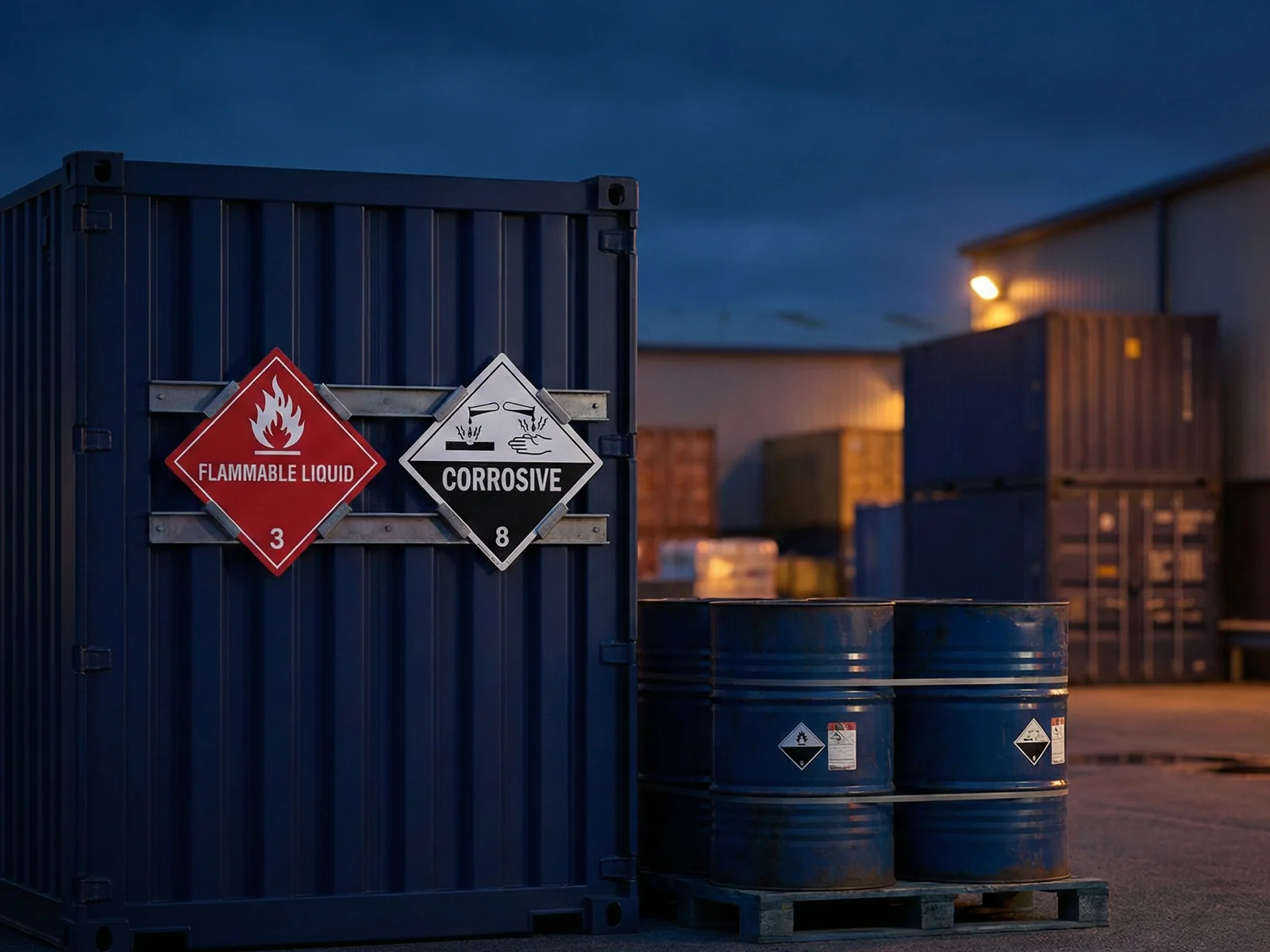
Classified under Canada's TDG Act. RTSI coordinates all 9 classes across air, ocean, and ground.
Ammunition, pyrotechnics, detonators
Propane, hydrogen, acetylene, LPG
Nitrogen, CO₂, compressed air
Chlorine, ammonia, hydrogen sulfide
Gasoline, paint, adhesives, acetone
Sulfur, phosphorus, sodium, metal powders
Ammonium nitrate, hydrogen peroxide
Pesticides, clinical waste, medical specimens
Medical isotopes, uranium, smoke detectors
Sulfuric acid, batteries, hydrochloric acid
Lithium batteries, dry ice, magnetized material
Dangerous Goods by Air
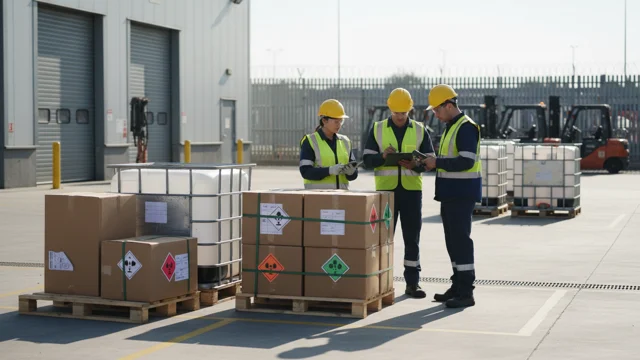
DG air freight from Toronto Pearson through IATA DGR-compliant carriers. Strictest regulations, but fastest transit. RTSI prepares the Shipper's Declaration and coordinates airline acceptance checks.
- IATA Dangerous Goods Regulations (DGR) compliant
- Shipper's Declaration preparation and verification
- Airline acceptance check coordination
- Cargo Aircraft Only routing when required
- Packing instruction (PI) compliance for all classes
Cargo Aircraft Only
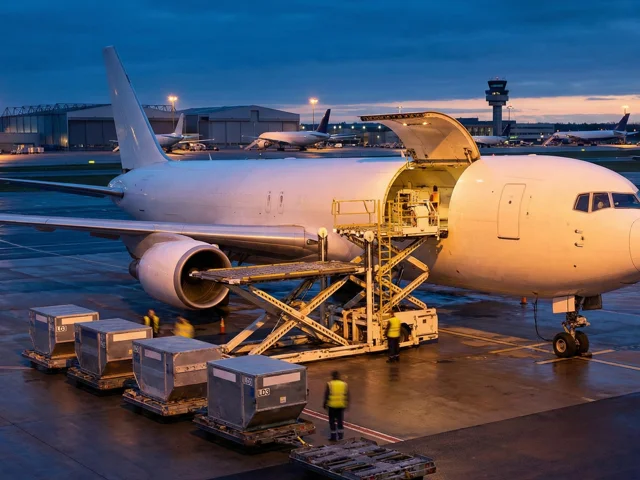
Some DG items are restricted to cargo-only aircraft with higher quantity limits. Standalone lithium batteries (UN3480, UN3090) must fly cargo only. RTSI arranges CAO routing.
Dangerous Goods by Ocean
IMDG-compliant ocean freight for DG across all 9 classes. More permissive than air: larger quantities, heavier items, and more classes can move by sea.
- IMDG Code (Amendment 42-24) compliant
- Container Packing Certificate coordination
- Stowage and segregation planning
- Marine Pollutant marking compliance
- FCL and LCL DG container shipping
Segregation Planning
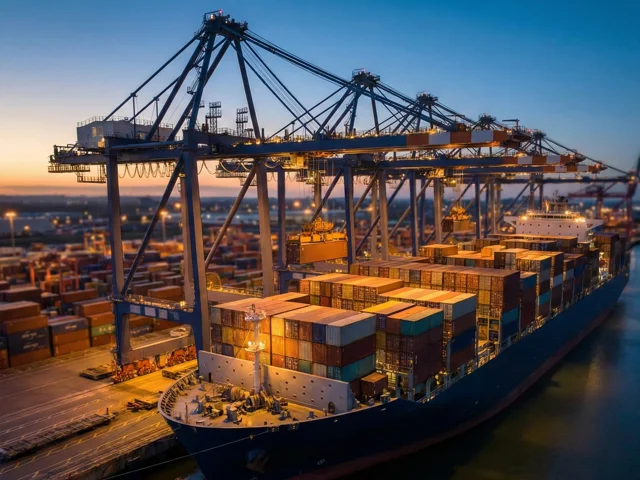
IMDG Code Chapter 7 requires minimum separation distances between incompatible DG classes, from 3 m ('away from') to 24 m longitudinal separation. RTSI plans stowage and segregation for every DG ocean shipment.
Dangerous Goods by Ground
Most Toronto forwarders only handle DG by air or ocean. RTSI offers DG ground freight across Canada and cross-border, the mode most DG classes move most easily on.
- TDG Act and Regulations compliant
- FTL and LTL DG across Canada
- Cross-border DG trucking (CA-US-MX)
- Placard and documentation management
- Less restrictive than air: more classes, larger quantities
Mode Comparison: Key Restrictions
Standalone lithium ion (UN3480)
Standalone lithium metal (UN3090)
Class 1 Explosives (1.1-1.3)
Class 7 Radioactive
Bulk flammable gases
Lithium Battery Shipping
The fastest-growing DG commodity. EV production, consumer electronics, and energy storage are driving demand. RTSI coordinates all lithium battery UN numbers across every mode.
Lithium ion batteries (standalone)
Fully regulated above: > 100 Wh per battery
Lithium ion batteries in/with equipment
Fully regulated above: > 20 Wh per cell
Lithium metal batteries (standalone)
Fully regulated above: > 2 g lithium content
Lithium metal batteries in/with equipment
Fully regulated above: > 1 g per cell
Ground as an Alternative
Standalone lithium batteries forbidden on passenger aircraft can move freely by ground with proper TDG packaging and documentation. Lower cost, higher weight limits, fewer restrictions. RTSI is one of few Toronto forwarders offering DG ground freight.
2025/2026 Updates
New 'BATTERY mark' covering lithium and sodium-ion batteries. 30% state of charge limit extended from PI 965 to PI 966 (mandatory 2026 for batteries >2.7 Wh). New UN numbers for sodium-ion batteries. RTSI stays current on every regulatory change.
Cross-Border DG Shipping
DG cross-border shipments require transport compliance and customs documentation. RTSI coordinates DG logistics, paperwork, and licensed broker communication.
Ground (TDG)
TDG Shipping Document: UN number, proper shipping name, class, packing group, quantity, 24hr emergency contact, consignor certification.
Air (IATA)
Shipper's Declaration for DG (DGD): All TDG fields plus transport details, packing instructions, authorization. Two copies minimum. Signed by shipper.
Ocean (IMDG)
Container Packing Certificate plus DG manifest. UN number, class, stowage category, segregation group, marine pollutant marking.
Cross-Border
Dual compliance: TDG shipping document (Canada) + 49 CFR documentation (US). Both must be present. Only UN numbers. No NA numbers in Canada.

Compliance & Penalties
TDG penalties were multiplied 3-5x in December 2023. Non-compliance is expensive.
TDG Act Penalties
Registration Requirement (Oct 2024)
Companies that transport or offer DG for transport in Canada must now register with Transport Canada. Registration must be renewed annually. RTSI coordinates compliance and helps ensure your registration stays current.

Training Requirements
- TDG certificate valid 3 years (road, rail, marine)
- IATA DG certificate valid 2 years (air)
- Untrained workers: direct supervision only
- Employer issues certificates (external training OK)
- Recertification before expiry. No grace period.
ERAP (Emergency Response)
Required for higher-risk DG above threshold quantities. Must be approved by Transport Canada before transport begins.
RTSI advises on ERAP requirements and coordinates with approved providers.
UN-Rated Packaging
All DG must ship in packaging that has passed UN performance tests. Rated by packing group: X (great danger), Y (medium), Z (minor).
RTSI verifies packaging compliance and coordinates with DG packing specialists when needed.
Frequently Asked Questions
Common questions about dangerous goods shipping in Canada.