Robin Transportation Systems Inc.

Cargo Insurance Services

Cargo Insurance

All-Risk. Every Mode. Claims Support.

All-risk cargo insurance for air, ocean, and ground freight. Arranged as part of your shipment. Claims support from report to settlement.

30+ YearsAll-Risk CoverageClaims Support15-Min Response

Carrier Liability Limits by Mode

International conventions and domestic regulations limit what carriers pay for lost or damaged cargo. A $50,000 ocean shipment? The carrier owes you about $750.

Maximum Carrier Payout per Shipment

Ocean (Hague-Visby)

~$750 CAD per package or 2 SDR/kg

Grossly inadequate for most cargo

Air (Montreal Convention)

22 SDR/kg (~$40 CAD/kg)

Better, but still partial coverage

Ground (Canada)

$2/lb or $4.41/kg

Based on weight, not value

Ground (US, Carmack)

Full value (with limits)

Varies by carrier tariff

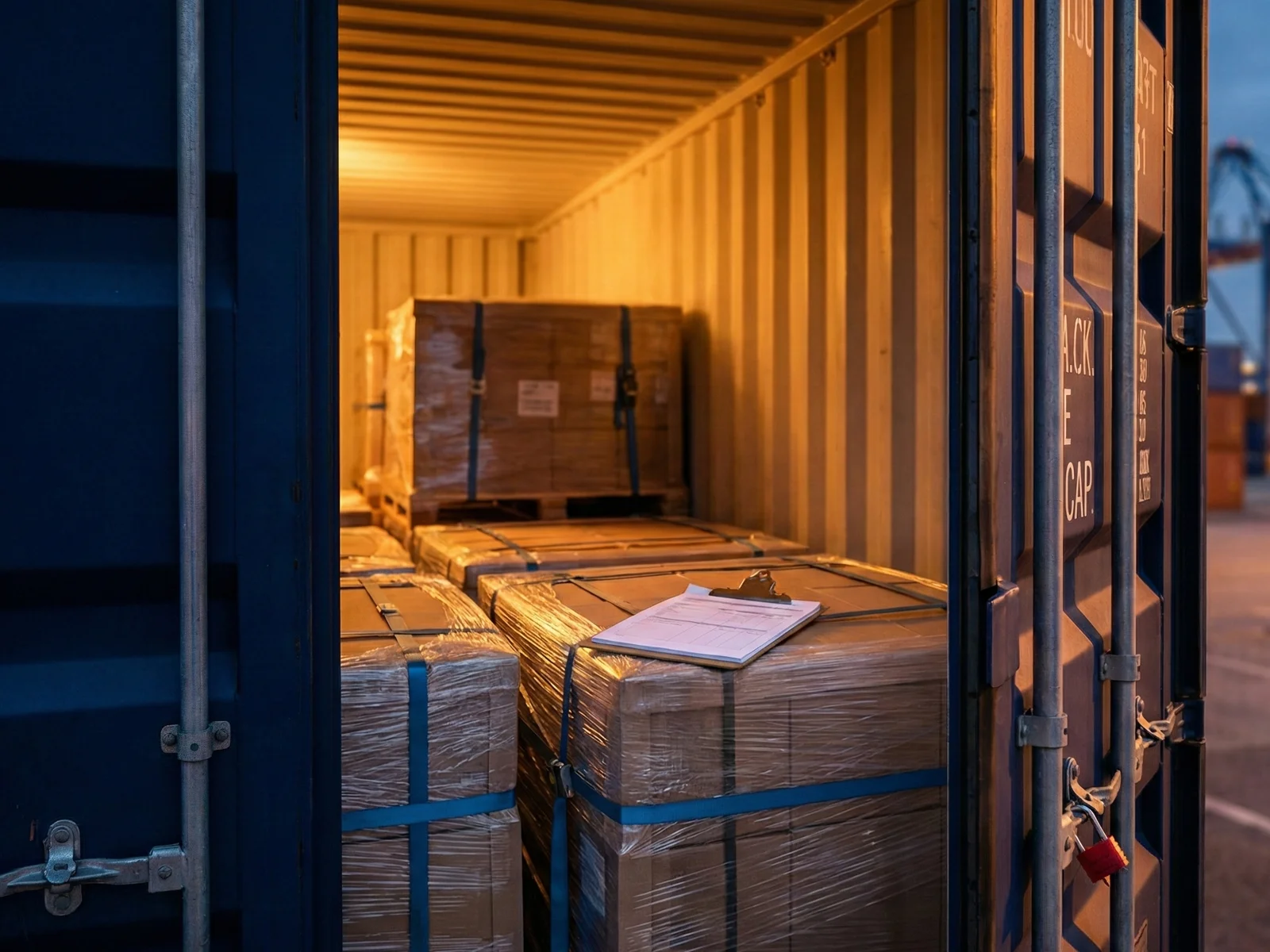
Cargo condition inspection and digital documentation used to support insurance underwriting and claims

The Math

You ship a $50,000 pallet of electronics by ocean. The container falls into the harbour. Under Hague-Visby Rules, the carrier's maximum liability is approximately $750 CAD. You absorb the remaining $49,250.

All-Risk Coverage

All-risk cargo insurance covers the full declared value of your goods. Premiums typically run 0.15%-1.5% of cargo value, a fraction of the potential loss. RTSI arranges coverage as part of every shipment.

Cost of Insurance vs Cost of Loss

Insuring that $50,000 shipment costs roughly $75-$750. One uninsured loss costs you the price of hundreds of premiums.

Cargo Insurance Coverage Types

RTSI arranges the right coverage for your cargo, mode, and risk profile.

All-Risk Marine Transit

Broadest standard coverage. Covers physical loss or damage from any external cause during transit: sinking, collision, fire, theft, breakage, water damage. Excludes inherent vice, war, and nuclear risks.

Best for

Standard commercial shipments

Named Perils

Covers only specifically listed risks (fire, sinking, collision, jettison). Lower premium but significant gaps. Not recommended for high-value or fragile goods.

Best for

Low-value, durable commodities

Warehouse-to-Warehouse

Extends coverage from origin warehouse through all transit legs to final destination warehouse. Includes temporary storage in transit.

Best for

Multi-modal, multi-leg shipments

Project Cargo / Heavy Lift

Specialized coverage for oversized and high-value cargo. Includes rigging, lifting, loading/unloading operations. Often requires surveyor involvement.

Best for

Oversized, industrial equipment

Cold Chain / Reefer

Covers temperature deviation, reefer breakdown, and spoilage. May require continuous temperature monitoring as a condition.

Best for

Perishables, pharmaceuticals

Delay in Start-Up (DSU)

Covers financial losses if cargo arrival delay causes project schedule overrun. Common on construction and infrastructure projects.

Best for

Schedule-critical project cargo
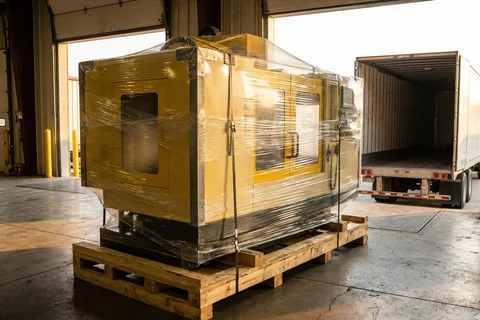
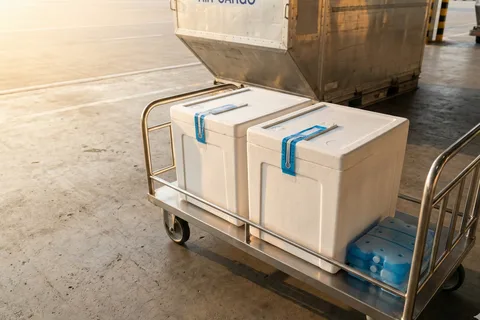
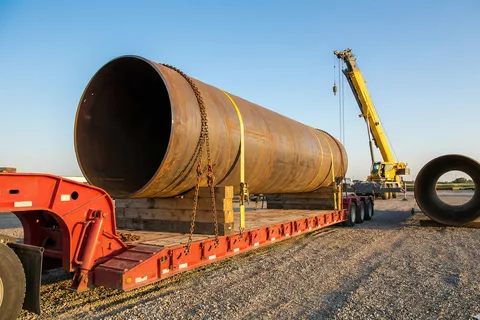
Manufacturing cargo requiring all-risk transit protection during multimodal handlingPharmaceutical and temperature-sensitive freight requiring specialized insurance termsEnergy-sector project cargo requiring high-value and delay-sensitive coverage options

Cargo Insurance Claims Process

1

Report

Notify RTSI immediately upon discovering damage or loss. Document with photos and notes.

2

Document

Gather commercial invoice, packing list, BOL/AWB, photos of damage, and inspection reports.

3

File

RTSI prepares and submits the claim to the underwriter with all supporting documentation.

4

Resolve

Underwriter reviews, adjusts, and settles. RTSI advocates on your behalf throughout.

Immediate Steps if Damage Occurs

  1. 1Photograph all damage before moving or discarding anything
  2. 2Note damage on the delivery receipt (BOL/POD)
  3. 3Retain all packaging materials
  4. 4Call RTSI immediately. We start the process same-day.
  5. 5Do not dispose of damaged goods until claim is resolved

Frequently Asked Questions

Common questions about cargo insurance.

Why do I need cargo insurance if carriers have liability?
Carrier liability is severely limited by international conventions and domestic regulations. Ocean carriers are liable for approximately $750 CAD per package under Hague-Visby Rules, regardless of the actual value of your goods. Airlines are limited to ~$40 CAD per kilogram. Canadian truckers are limited to $2/lb. A $50,000 shipment could recover as little as $750 from the carrier. Cargo insurance covers the full declared value.
What does all-risk cargo insurance cover?
All-risk covers physical loss or damage from any external cause during transit: sinking, collision, fire, theft, pilferage, water damage, breakage, contamination, and more. Standard exclusions: inherent vice (natural deterioration), ordinary wear and tear, war and strikes (available as add-on), nuclear risks, and packing deficiency. All-risk provides the broadest standard protection available.
How much does cargo insurance cost?
Premiums typically range from 0.15% to 1.5% of the insured value, depending on commodity type, transport mode, origin/destination, packaging quality, and claims history. A $100,000 ocean shipment might cost $200-$800 to insure. For the cost of a single uninsured loss, you could insure hundreds of shipments. RTSI arranges competitive coverage as part of your freight quote.
What is the difference between all-risk and named perils coverage?
All-risk covers loss from any external cause unless specifically excluded. Named perils covers only listed risks (fire, sinking, collision, jettison, earthquake, lightning). The critical difference: with all-risk, the burden is on the insurer to prove an exclusion applies. With named perils, the burden is on you to prove the loss was caused by a listed peril. All-risk is recommended for most commercial cargo.
How does RTSI handle cargo insurance claims?
RTSI manages the full claims process: immediate loss notification to underwriters, documentation gathering (photos, inspection reports, invoices), claim preparation and filing, and follow-up through settlement. We advocate on your behalf with underwriters and adjust expectations based on policy terms. Our goal is maximum recovery with minimum disruption to your operations.
Does RTSI arrange insurance for dangerous goods shipments?
Yes. DG shipments require specialized coverage that accounts for hazardous material risks. Standard policies may exclude certain DG classes or require additional premiums. RTSI's understanding of TDG, IATA DGR, and IMDG Code requirements ensures your DG shipments are properly classified for underwriting purposes.
What documentation do I need for a cargo insurance claim?
You need: commercial invoice (proves value), packing list (identifies contents), Bill of Lading or Air Waybill (proves shipment), photographs of damage (taken at delivery), written description of loss or damage, and any inspection or survey reports. RTSI guides you through documentation requirements and prepares the claim filing. Call us immediately if you discover damage.
Can I insure a single shipment or do I need an annual policy?
Both options are available. Single-shipment (per-trip) certificates cover individual moves, ideal for occasional shippers or high-value one-off shipments. Annual (open cargo) policies cover all shipments within a year under a blanket declaration, more cost-effective for regular shippers with automatic coverage on every move. RTSI recommends the right structure based on your shipping volume.