Robin Transportation Systems Inc.
Ocean Freight Services from Toronto
Ocean Freight
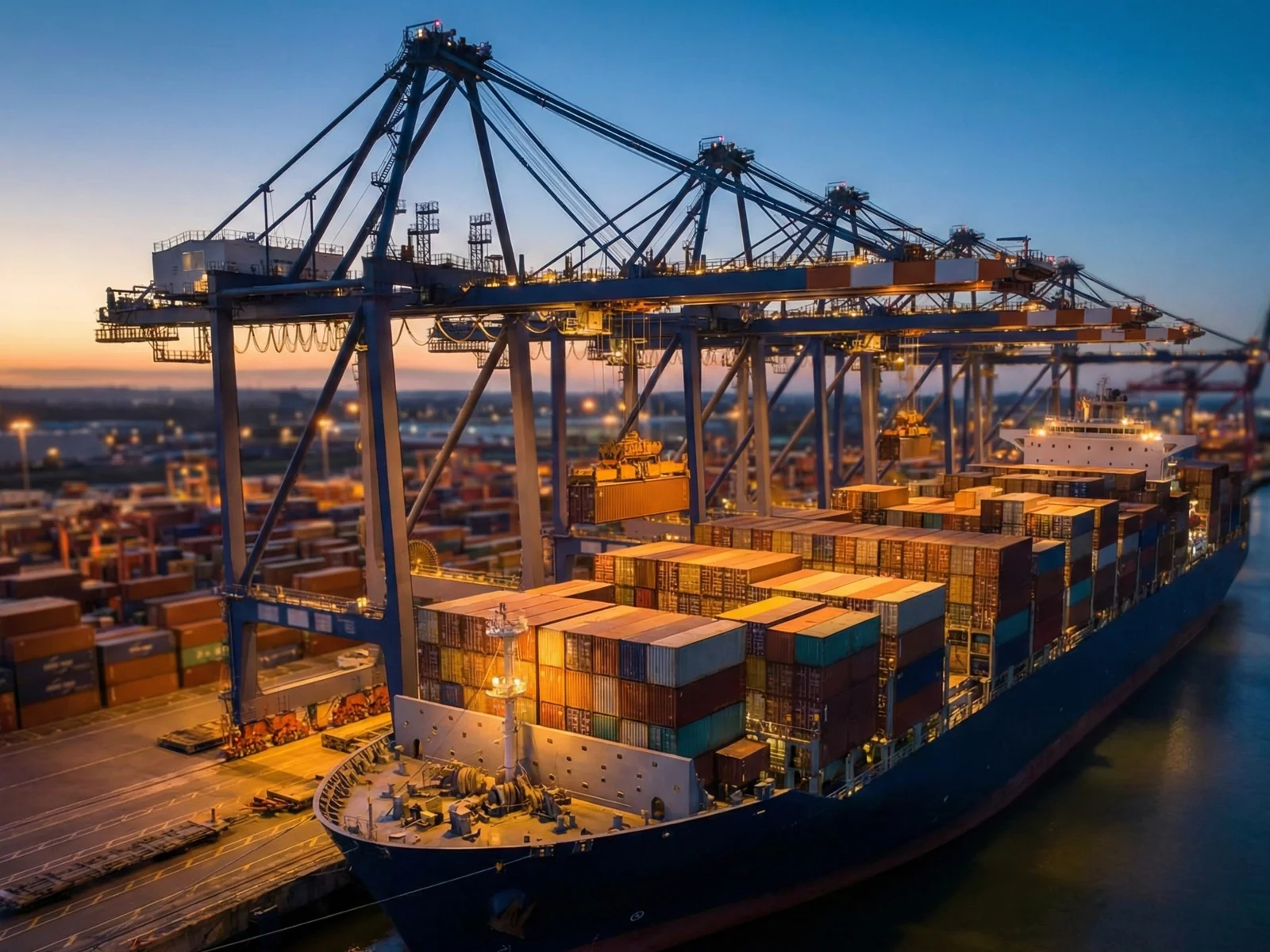
FCL and LCL Shipping Worldwide
Full container load and less than container load. Licensed customs broker partner. DG capable. Quotes within 1-2 hours.
Key Features
Ocean Freight Services
FCL and LCL ocean freight from Toronto. The right mode depends on volume, weight, and urgency.
Full Container Load (FCL)
15+ CBM
or 15,000+ kg
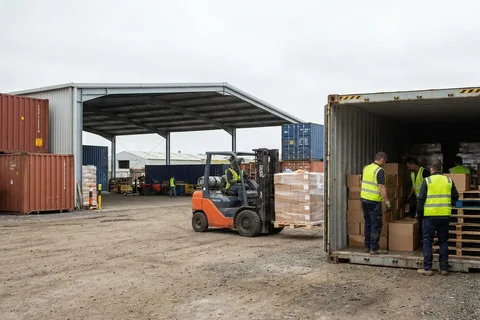
- Exclusive, sealed container: no co-loading
- Fastest ocean transit (direct loading)
- Lowest risk: single seal, single handler
- Ideal for regular volumes and fragile goods
- Door-to-door coordination available
Less Than Container Load (LCL)
<12 CBM
or under 10,000 kg
- Pay per CBM: only the space you use
- No minimum container commitment
- Consolidation at origin CFS
- Ideal for samples, spare parts, small shipments
- Add 3-7 days for consolidation handling
12-18 CBM? Get quotes for both.
Origin/destination charges often tip the balance. We'll compare for you.

Container Specifications
Internal dimensions and payload capacity. No competitor publishes this data.
20' Standard
40' Standard
40' High Cube
20' Reefer
40' Reefer
20' Open Top
40' Flat Rack
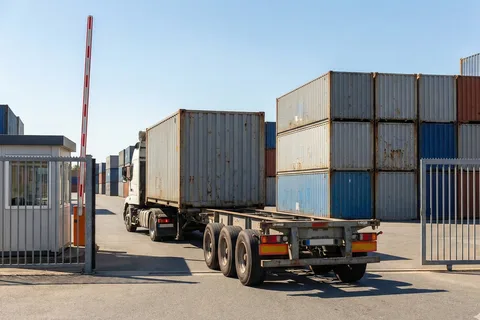
Need a reefer container?
Temperature-controlled ocean freight for perishables, pharmaceuticals, and chemicals. We manage reefer bookings, pre-trip inspections, and temperature monitoring.
Cold Chain Services →Open top or flat rack?
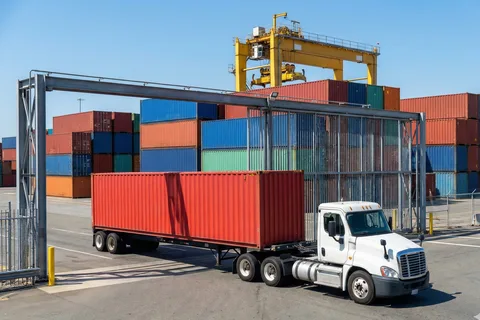
For oversized, out-of-gauge, and breakbulk cargo. Flat racks handle up to 40,000 kg. We coordinate permits, lashing, and multi-leg transport.
Project Cargo Services →Shipping Routes
Port-to-port transit times via Canada's three major gateways. RTSI coordinates drayage from any port or rail terminal.
Transit Times
Standard service, port-to-port. Door-to-door adds 5-15 days for pickup, customs, drayage, and delivery.
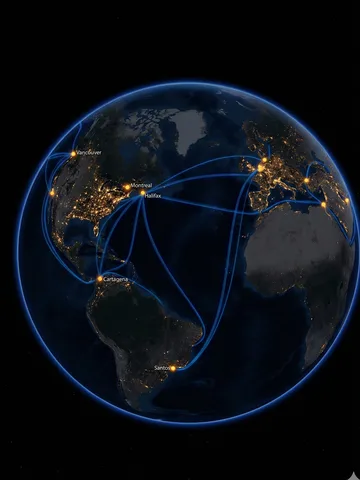
Canadian Ports
Port of Montreal
1.51M
TEUs (2025)
- Closest major container port to Toronto
- 5 international terminals
- CN + CPKC direct rail to GTA
- Neopanamax vessels up to 6,700 TEU
Port of Vancouver
3.47M
TEUs (2024 record)
- Canada's largest port
- Asia-Pacific primary gateway
- 4 container terminals
- 45%+ of Canada-Asia trade
Port of Halifax
509K
TEUs (2024)
- Deep water: berths 10,000+ TEU vessels
- First/last call on transatlantic routes
- Fastest North Atlantic transit times
- 42 mega-vessel calls in 2024
Customs, Incoterms & Costs
Coordinating ocean import documents, broker communication, trade terms, and port timing to avoid costly delays.
Customs Clearance
Ocean freight, broker communication, and drayage timing coordinated through one workflow.
ACI / eManifest
Marine carriers must submit cargo data 24-96 hours before loading or arrival. RTSI coordinates carrier data and broker communication so reporting requirements are planned before arrival.
CARM Portal
Mandatory since October 2024. Release Prior to Payment (RPP) requires financial security posting. RTSI helps coordinate CARM setup guidance and broker delegation.
Why It Matters
Importers without RPP cannot use PARS, RMD, or Single Window for release. Delays at customs can create demurrage charges at port. RTSI coordinates ocean documents, carrier data, broker communication, CARM setup guidance, and drayage timing so release planning starts before arrival.
Required Documents
- 1Bill of Lading (MBL and/or HBL)
- 2Commercial Invoice
- 3Canada Customs Invoice (CCI), shipments over $2,500 CAD
- 4Packing List
- 5Certificate of Origin, if claiming CUSMA/preferential rates
- 6Phytosanitary / CFIA certificates, if food, plant, animal products
- 7DG Declaration, if applicable (IMDG code)

Incoterms for Ocean Freight
Who pays for what. Understanding Incoterms helps you control costs and liability.
Free On Board
Seller: Inland transport, export clearance, loading
Buyer: Ocean freight, insurance, import clearance
Cost, Insurance & Freight
Seller: Export clearance, freight, insurance to port
Buyer: Import clearance, delivery from port
Cost and Freight
Seller: Export clearance, ocean freight
Buyer: Insurance, import clearance, delivery
Ex Works
Seller: Make goods available at factory
Buyer: All transport, clearance, insurance
Delivered at Place
Seller: All transport to destination
Buyer: Import clearance, unloading
Delivered Duty Paid
Seller: Everything: transport, clearance, duties
Buyer: Unloading only
Most common for ocean imports to Canada: FOB (buyer controls shipping), CIF (seller arranges freight + insurance), DDP (seller handles everything).
Demurrage & Detention
Every day your container sits at port costs money. RTSI coordinates broker communication and drayage timing to reduce avoidable storage delays.
$100-250
Per day, per container
Demurrage
Charged for keeping a loaded container at the port/terminal beyond free time. Rates escalate the longer it sits.
3-5 days
Typical free time
Detention
Charged for keeping the carrier's empty container at your facility beyond free time. Typically 4-7 days grace period.
Faster
With RTSI
How RTSI Helps
Customs clearance is coordinated through licensed broker partners before vessel arrival. Drayage is lined up for release so containers move faster.
How Ocean Freight Shipping Works
 1
1Request a Quote
Call, email, or form. We respond within 15 minutes.
 2
2Booking & Docs
Carrier selected, container booked, all documentation prepared.
 3
3Shipment Execution
Cargo picked up, delivered to port, loaded, and tracked.
 4
4Customs Clearance
RTSI coordinates CBSA documentation and CARM details with the licensed customs broker partner.
 5
5Drayage & Delivery
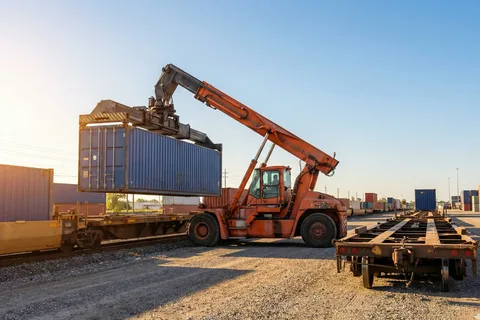
Container picked up from port or rail terminal, delivered to your door.
1Request a Quote
Call, email, or form. We respond within 15 minutes.
2Booking & Docs
Carrier selected, container booked, all documentation prepared.
3Shipment Execution
Cargo picked up, delivered to port, loaded, and tracked.
4Customs Clearance
RTSI coordinates CBSA documentation and CARM details with the licensed customs broker partner.
5Drayage & Delivery
Container picked up from port or rail terminal, delivered to your door.
1Request a Quote
Call, email, or form. We respond within 15 minutes.
2Booking & Docs
Carrier selected, container booked, all documentation prepared.
3Shipment Execution
Cargo picked up, delivered to port, loaded, and tracked.
4Customs Clearance
RTSI coordinates CBSA documentation and CARM details with the licensed customs broker partner.
5Drayage & Delivery
Container picked up from port or rail terminal, delivered to your door.
Frequently Asked Questions
Common questions about ocean freight from Toronto.